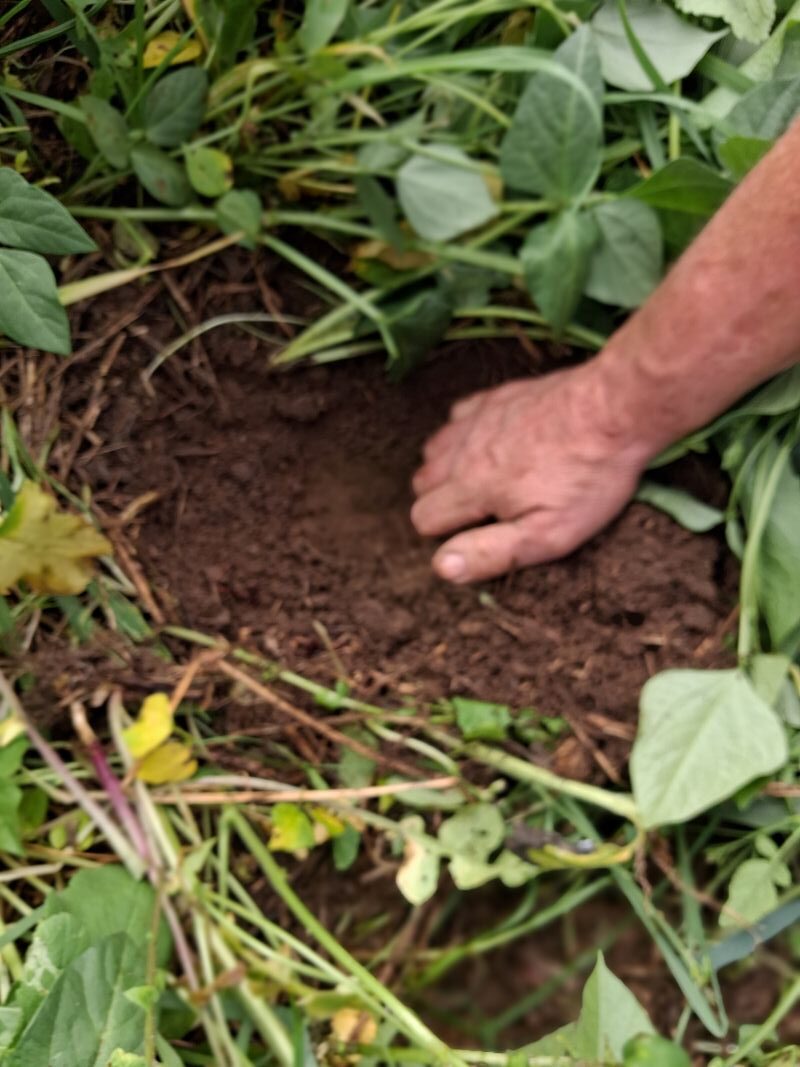
Can you dig your hands through your soil, without first loosening it mechanically?
Does rain soak in immediately, even in a heavy downpour? Or do you watch it sit there and bog your vehicles then evaporate away?
Can roots establish easily? Can plants breathe, drink, and access nutrition easily?
Building and maintaining good soil structure is a cornerstone of a thriving farm, just as it is a cornerstone of a liveable planet. Good soil structure is a biological process. You can’t buy it in a bag or a bottle, nor a bit of machinery. Used in aid of biology some of these tools can certainly help, but at the end of the day it is the plants and soil fauna doing the building.
What is good soil structure?
What we are talking about when we mention ‘good soil structure’ is soil that does have those healthy properties mentioned above. It is soft, but stable; it soaks in water but doesn’t get waterlogged; it is a reservoir of biology, biological byproducts, and plant-available minerals. In other words, the ‘soil carbon sponge’ is intact.
Didi Pershouse summarises it well. She writes:
“The soil sponge (or “soil carbon sponge”) is a living matrix that soaks up, stores, and filters water; holds landscapes in place; and provides nutrients for an entire food chain, from what would otherwise be bare rock, hardened clay, and desert sands…
“The spongy structure of healthy soil is created by soil biology through a myriad of actions. Two primary actions are:
- Plants, fungi, bacteria, worms, insects, and other underground workers bind together mineral particles with biological threads, slimes, and glues, giving soil its structural integrity.
- These same workers move through the aggregated clumps, creating passageways where air and water can flow.”
Read her full article here: https://didipershouse.medium.com/why-communities-should-invest-in-regenerative-agriculture-and-the-soil-sponge-431c27c8b34b
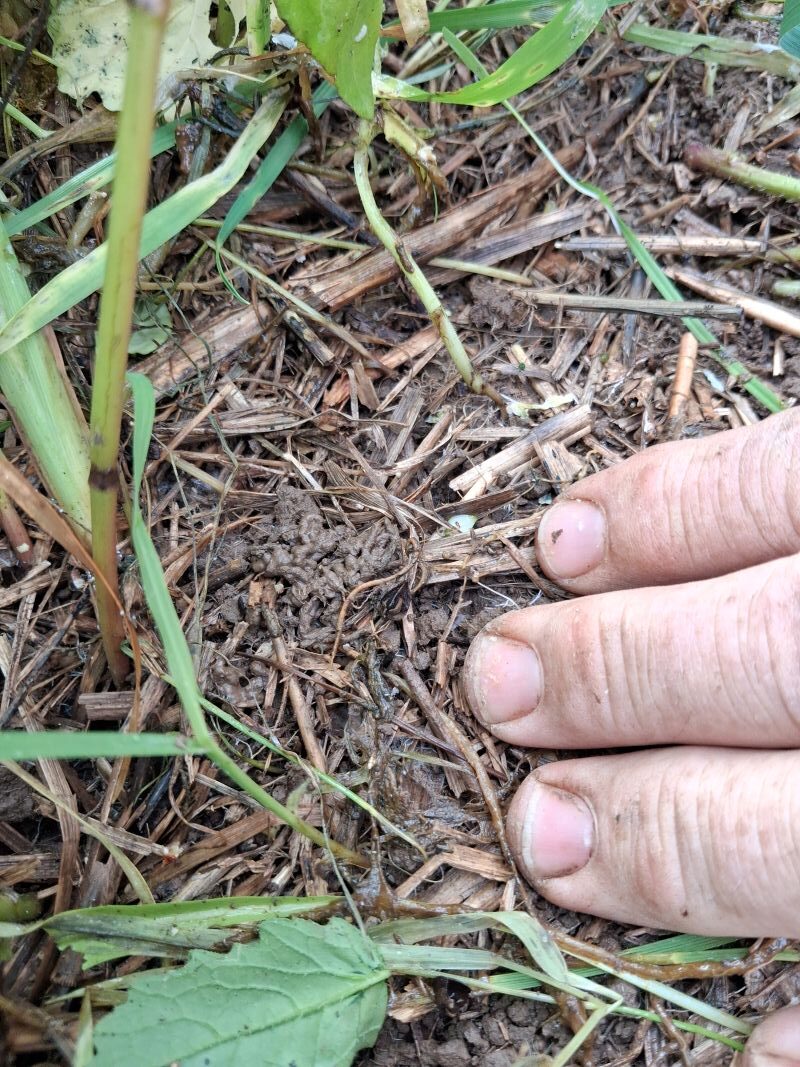
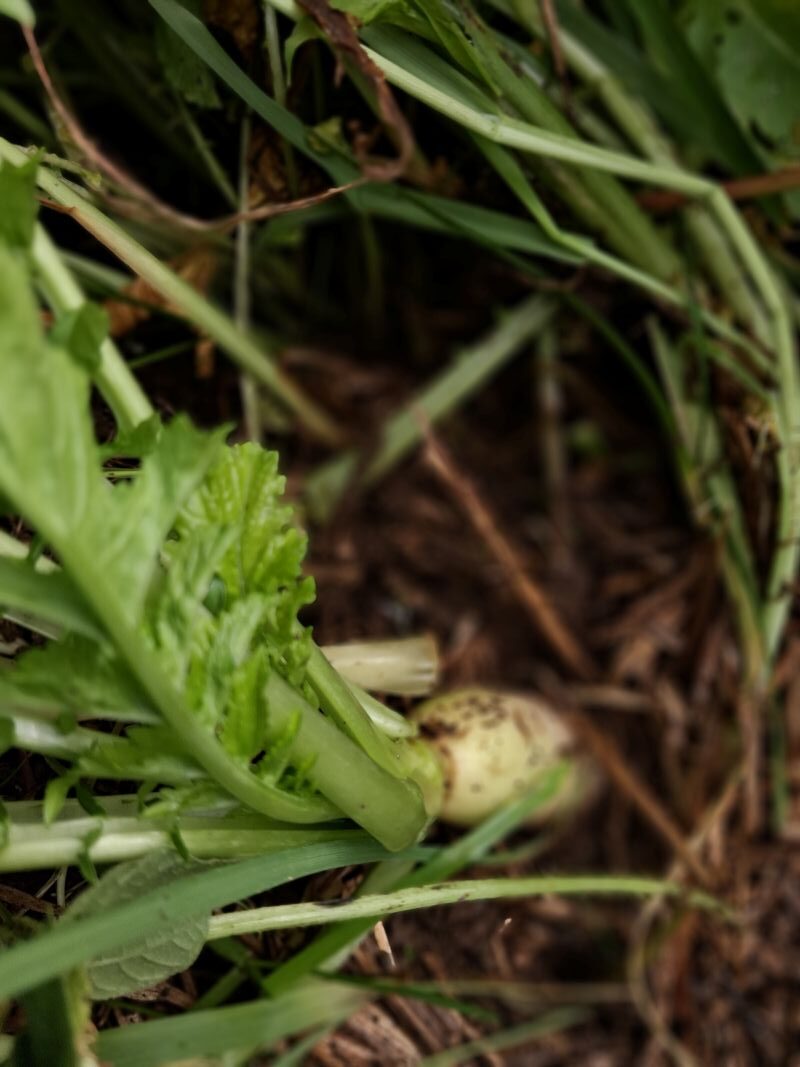
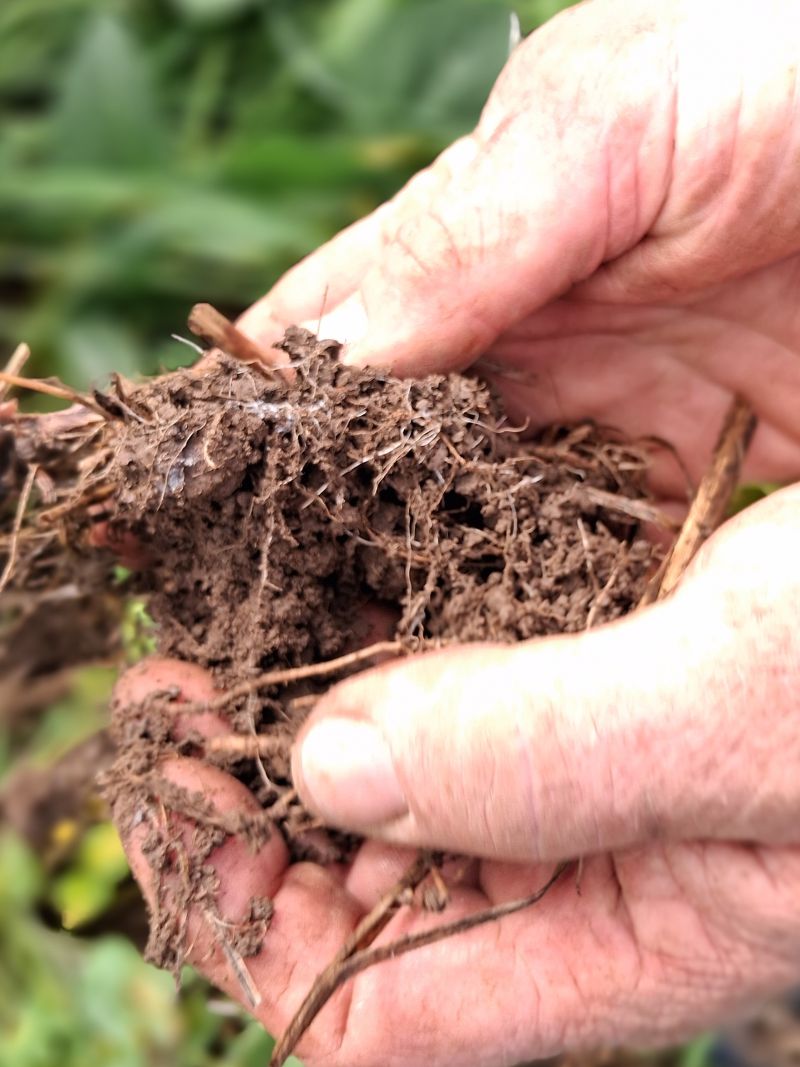
Images: soil building at Oxhill Organics L-R worm cast over leaf litter; radishes in the multi; roots with fungal hyphae networks
(Re)Building the soil sponge
Time and again we are seeing soil structure improve rapidly when farmers work to enhance biological processes. We have noticed in particular the fast changes people are seeing when they utilise multi species seeding. One farmer we work with, Chris Eggert, has been a wonderful case study and learning journey for us when it comes to using bioprimed seed as the chosen tool for supporting his soil, and providing plenty of high quality feed for his organic dairy herd.
Chris farms at Oxhill Organics, his family dairy farm at Wauchope, on the mid north coast of NSW. They have been organic for 20 years or so, but have really noticed an improvement in their soil in the past three years of experimenting with multi species seeding. The way Chris operates won’t suit everyone, but for those chasing high quality, high production pasture this technique has shown phenomenal results, and there are some lessons for everyone.
Using seed: 10 practical insights
Here are 10 practical insights we’ve gained from working with Chris over the past few years. Below this is a video Lee recorded with Chris in late May 2026.
1/ Use as many different types of seed as possible.
Adding some clover to your rye isn’t going to get you there. Nor is putting canola next to your wheat. You need multiple plant families all working together to create the biological conditions in the soil microbiome to create soil structure. You don’t need expensive mixes. Often Chris will use bird feed with other planting seeds to get diversity up cheaply. He adds a kilo of this and a kilo of that to get diversity in a forage mix.
2/ No chemicals required.
As an organic grower, Chris avoids chemically treated or coated seed; but for anyone wanting to build soil structure this is the best way to go. The seed supports soil processes, artificial fertilisers and chemicals do not. Equally, he has gone from strength to strength using this method without any fertilisers or pesticides, even organic ones. The caveat here is that these amendments have been added in the past, even if it was 10-20 years ago, and he’s farming floodplain soil. There is a pool of nutrients in his soil to draw from. If your plants (not necessarily your soil test, especially if you’re only testing availables) tell you consistently that there is a nutrient deficiency then that will be worth addressing. Case studies such as Andhra Pradesh show that in time you will likely not need them anymore.
3/ Prime seed with Biocast.
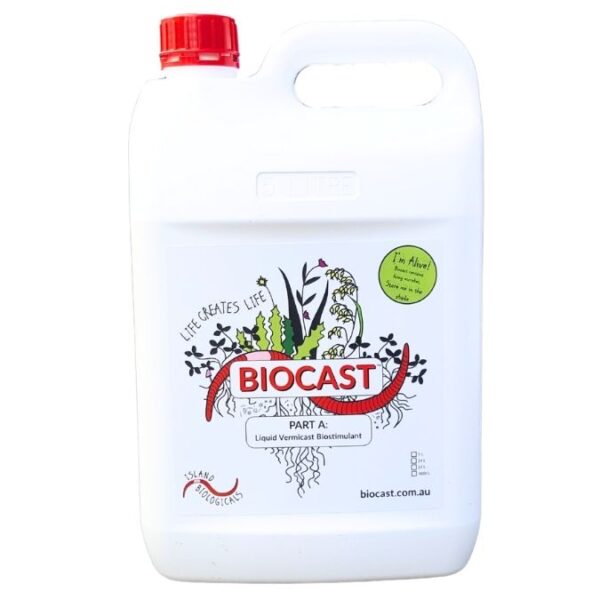
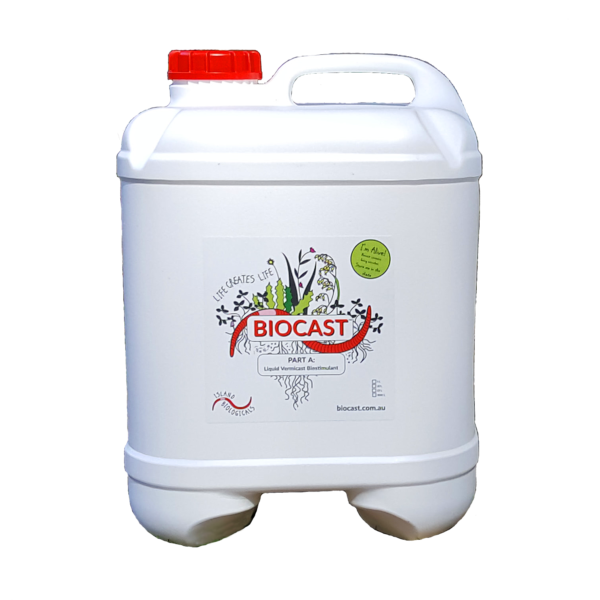
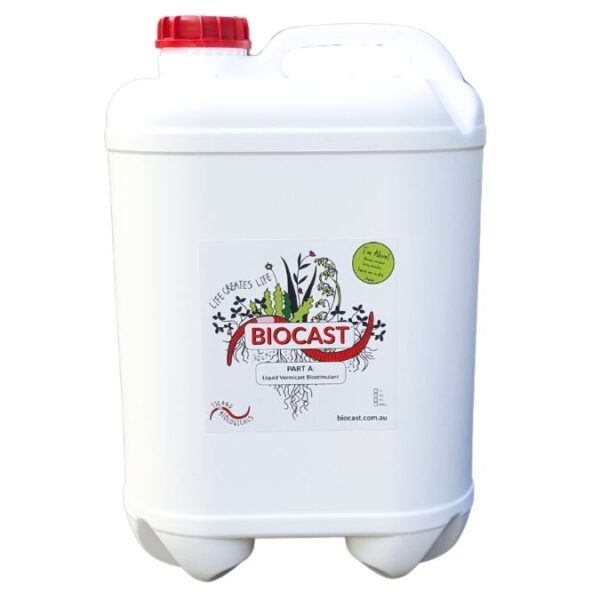
Chris mixes Biocast, our liquid vermicast biostimulant, into his seed hopper at planting. We recommend 5-10L per tonne of seed but Chris doesn’t measure and would be applying at a higher rate than this – showing the flexibility of Biocast to use it in whatever way suits you. Chris sees this biopriming as an integral part of his seeding at this stage of his program because it helps so much with seed establishment in a range of conditions, and helps them to build soil structure from germination.
When sowing legumes he often adds Rhizobium inoculate. Biocast is an excellent wetting agent for additional seed treatments such as this.
Video: Chris mixing Biocast combined with legume inoculum into his multi seed mix, October 2025.
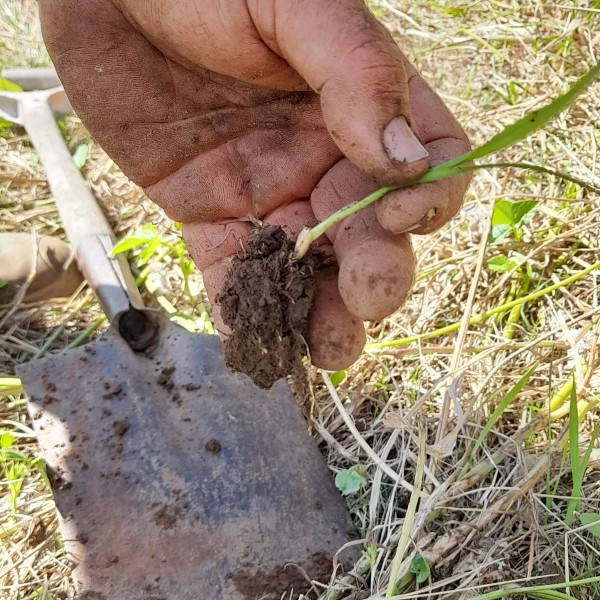
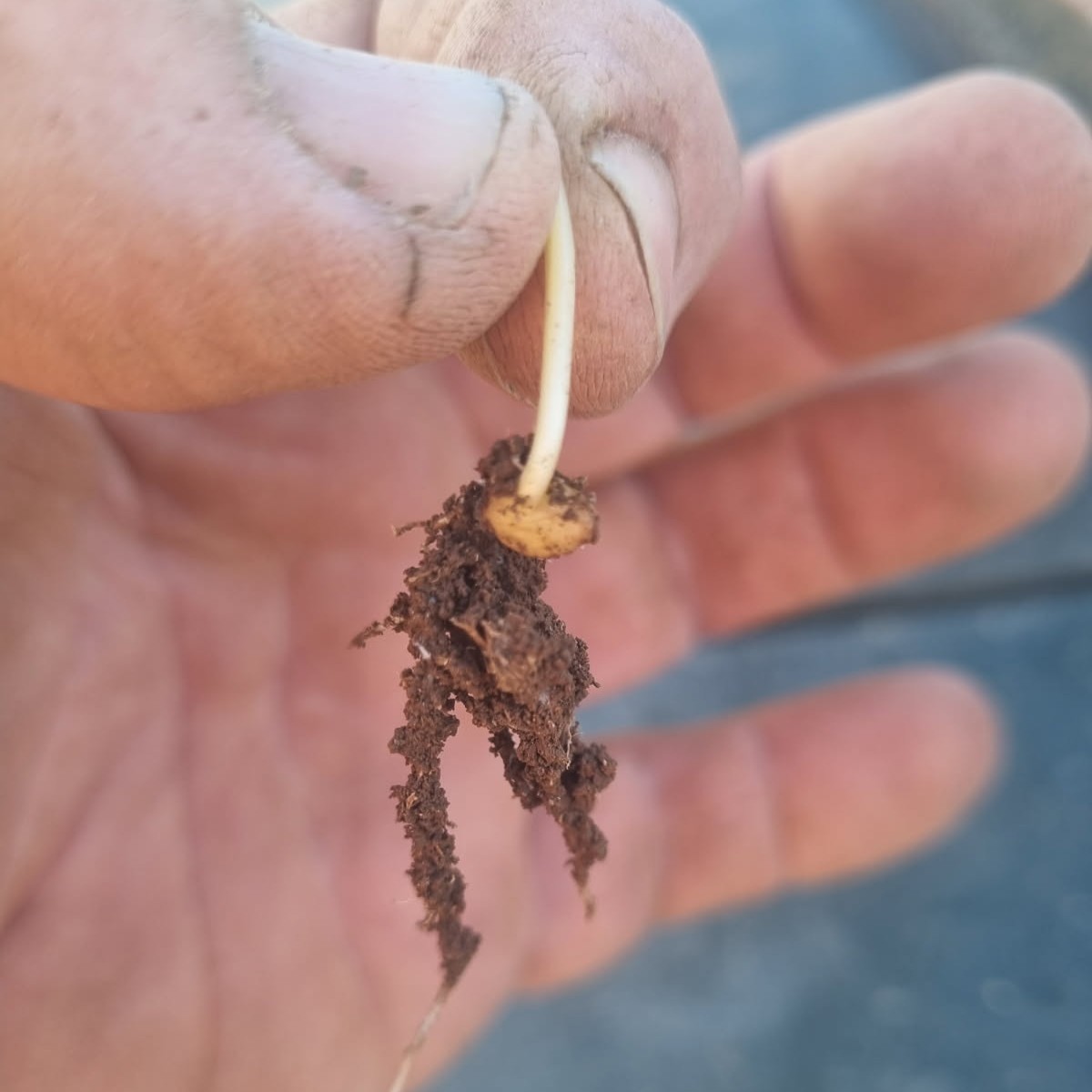
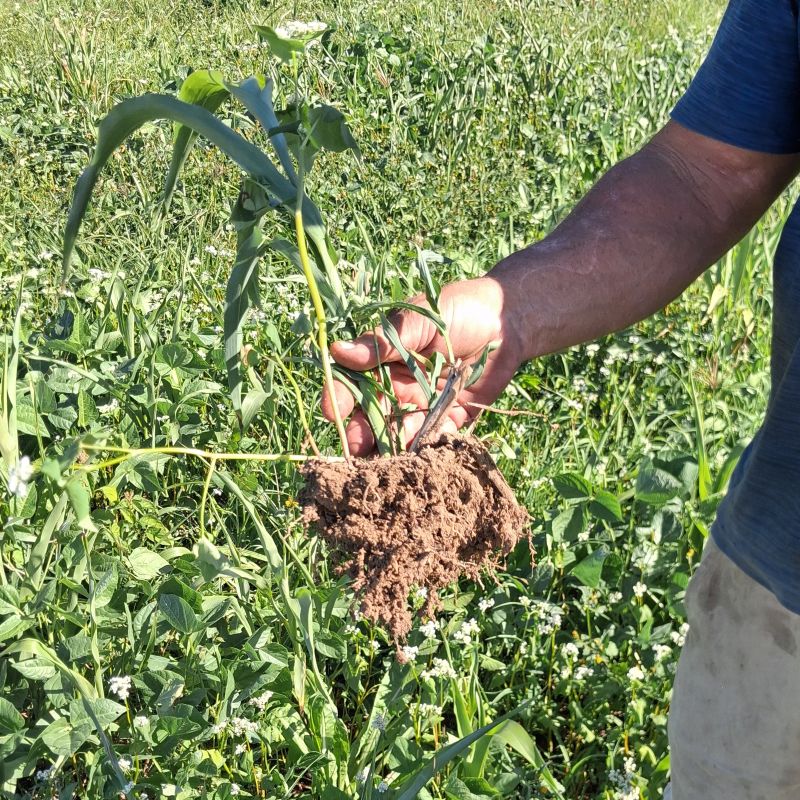
Images below: Plants at Oxhill Organics where seed was bioprimed with Biocast, showing excellent root and rhizosheath development. Image in the centre of a tiny seedling is from a dry seeding earlier this season.
4/ Look for any sowing opportunity.
At Oxhill Organics there is no such thing as sowing season. Chris is planting constantly based on what each paddock is up to. He will often plant based on grazing patterns, silage cuts, weather events, and when he’s able to get his hands on a type of seed. He seems to be constantly asking himself how he can get more in, adding another layer, even in paddocks that have been sown a few weeks ago. He doesn’t wait for ‘perfect’ conditions – he looks for the opportunity. This will be more applicable to pasture and silage production rather than cropping.
5/ Over-sow on perennial pasture.
The perennial base is important for keeping life and energy in the soil. It is not necessary to kill anything. Chris has said in the past that just after the cattle graze or the pasture has been cut and it’s just starting to grow back is a good time, but he also often throws the seed in ahead of the cows so they can tread it in. Patience can be a virtue here – it can take time for the seeds to get going in the shade of the existing cover, but once they reach the height of the perennials they’re off and away in Chris’ experience. Priming with Biocast can help give them persistence here.
6/ Be flexible and use the sowing method that suits the moment.
Try different sowing methods to find what works for you and the type of outcome you want. Chris uses a variety of different methods and can use multiple methods in one paddock in a season (as discussed in the video below for example). There are no hard and fast rules here.
7/ You don’t need to do it all at once.
Every time Lee visits Chris there are new experiments being done on a section of the property. He chooses a manageable area – not the whole place at once, then observes the plants, the soil, and the animal response. He also layers species. So it might be that he spins on one species on a pass, but then more species are layered in over the season, and species are added season on season so there is a ‘genetic legacy’ in the soil of more species than are currently growing.
8/ Careful, adaptive grazing management.
Importantly, you have to give the forbs time to establish and grow. Chris is a keen observer, and a master of managing his herd from a lifetime of experience – you can see some of his thought processes in the video below. For those getting started, we recommend training in Holistic Planned Grazing.
9/ Re-think your idea of ‘waste’.
Chris doesn’t worry about germination rates (within reason) because any seed that doesn’t germinate is a carbohydrate feeding soil life, and a carrier for Biocast to stimulate that life. He is also not aiming to turn 100% of what he grows into cattle feed. If a cow doesn’t eat it, it is recycled into soil and creates future fertility. This super-charges biological cycling, and in our view is a critical aspect of success.
10/ Be open minded and keep experimenting and asking questions.
Let your land teach you. Your soils will change over time, and so will the patterns of what species sprouts where as fertility changes. Chris seems to ignore ideas from others of what’s possible or not. For example, he plants summer and winter season seeds together. He doesn’t fertilise. He doesn’t plant to a calendar. He doesn’t wait for rain. He doesn’t follow a structured grazing pattern. He says he started simply by wondering if he could get his perpetually ankle height grass up to knee height. These days, in summer, it’s well overhead.
Conclusion
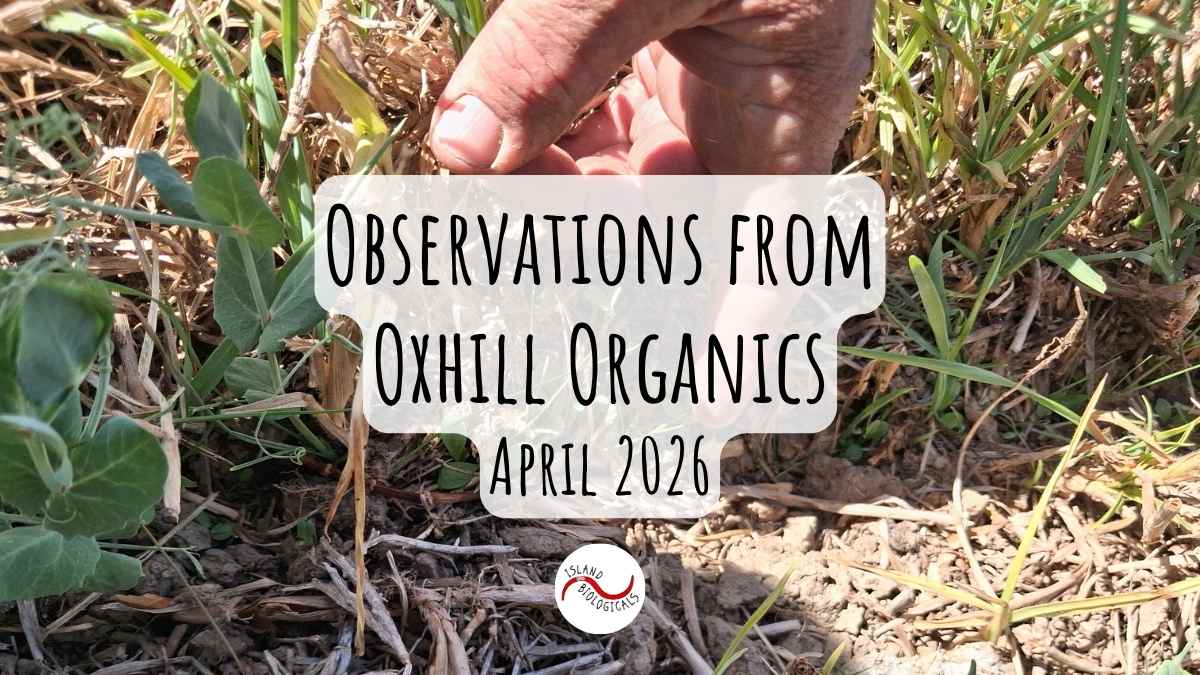
Soil structure on farmland is often degraded. When we look at what Chris has achieved in just three years, and how mind boggling his production is now, we start to appreciate just how degraded our land has become. Once you see that kind of response in the soil and plants, you can’t unsee it! What we’ve realised is just how normal a degraded landscape with a busted soil sponge has become. It is becoming imperative that we turn this around, and Oxhill Organics only hints at what we have to gain, including really excellent resilience to the recent dry spell. For more on see our post from Lee’s visit there last month: Observations from Oxhill Organics, April 2026
Chris and his property constantly inspire us about what’s possible with very simple tools. Are there any of these insights that you could utilise on your property? Could bioprimed seed be a tool you use for improving soil structure?
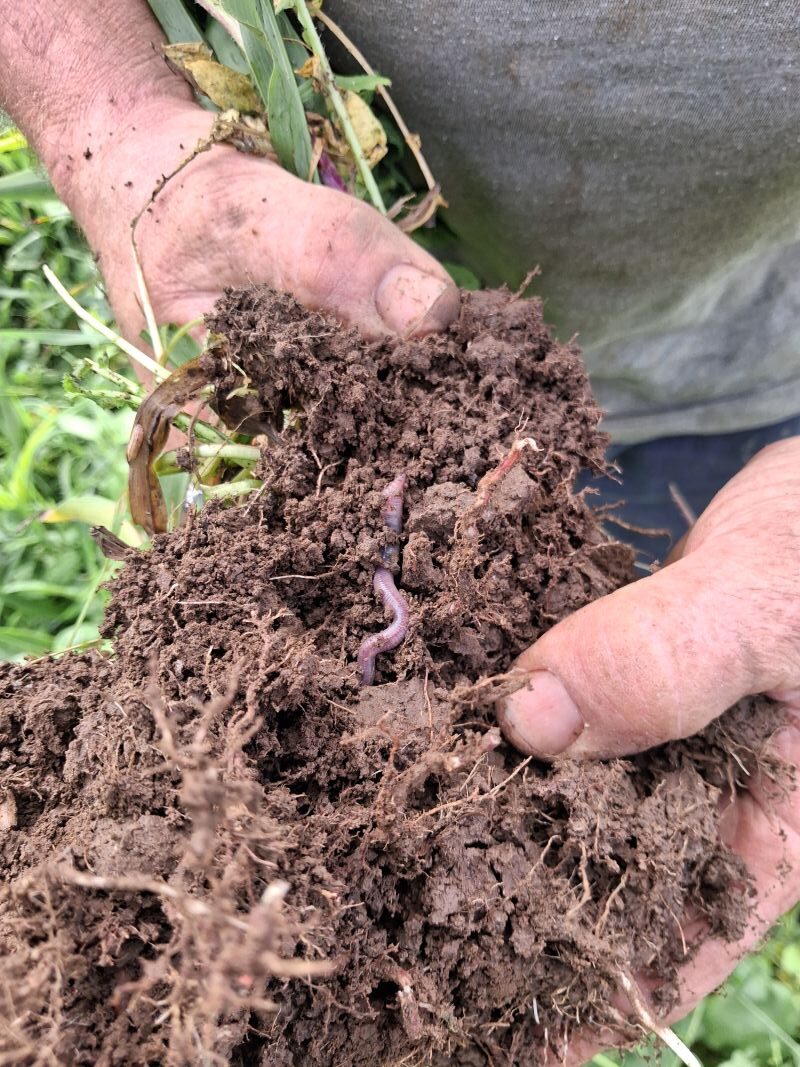
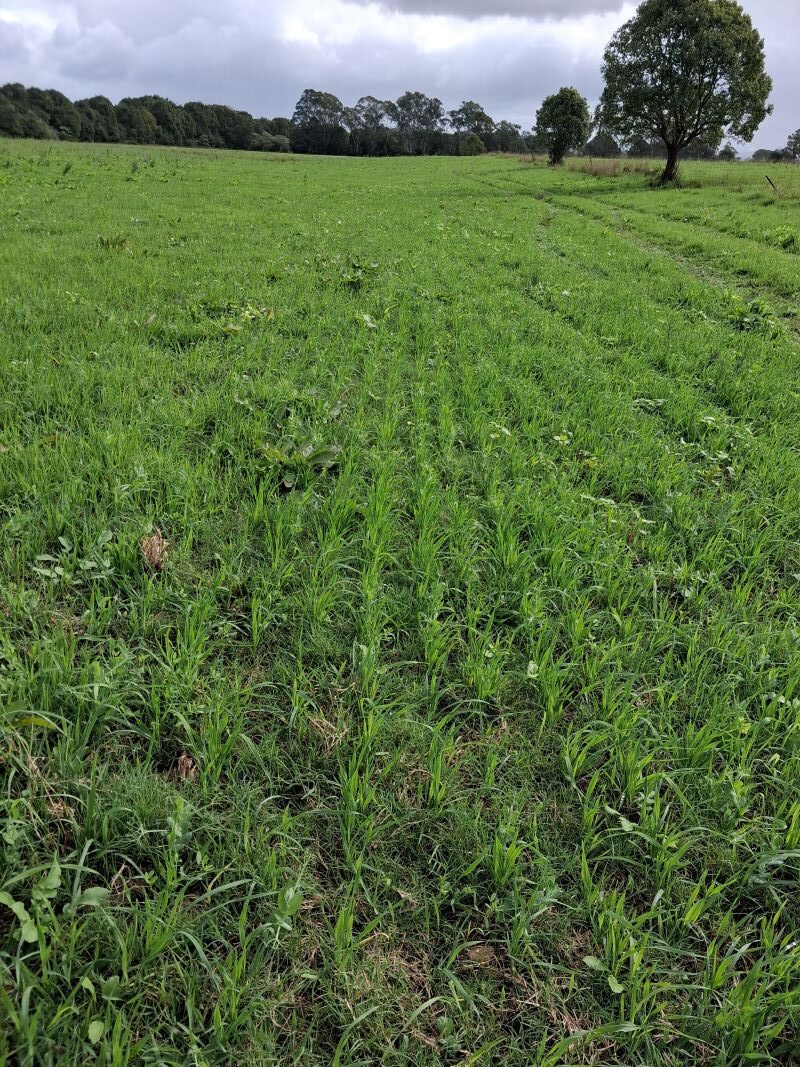
Keep scrolling: below are two videos Lee took on his most recent visit (22 May 2026), where he chats with Chris about some of these ideas. Images below: Taken on that same visit. L-R: An earthworm in the root zone, soil soft enough to dig with bare hands, seed drill lines in perennial pasture.
Read more:
In April we posted about what we were seeing at Oxhill Organics in the multi species paddocks in mid autumn during a very dry spell. The gifts of the multi were many!
Also includes a small video library from previous visits.
Would you like some Biocast to prime your seed? You can get it here! Please get in touch if you have any questions at all.