Multi species: an analogy
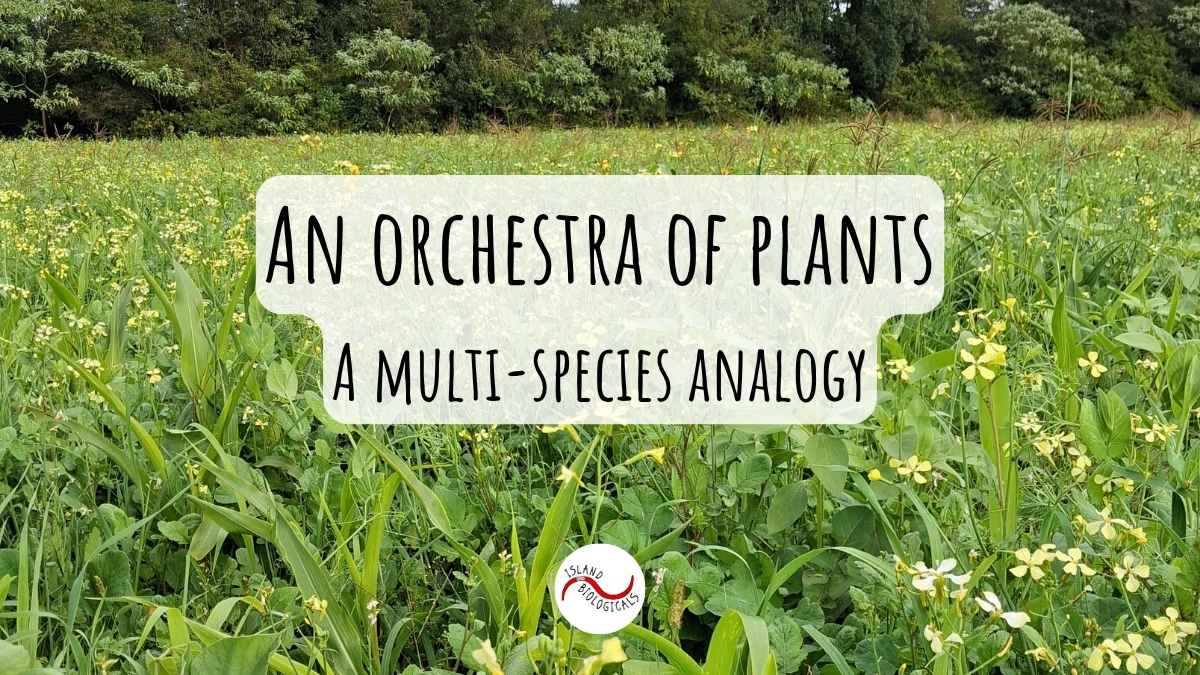
We harp on about using multi species in your farming setting to improve soil health and production. To help conceptualise this, we have an analogy for you:
Your plants make up an orchestra. They work in concert with each other and your soil life: the microbes, invertebrates and so on; and their ‘song’ is your soil and plant health and vitality. You are the conductor, and the audience is the intended consumers of those plants.
Let’s elaborate.
Monoculture problems
If you grow only one species, let’s say a grass, that’s a bit like only having a triangle play. The single grass species only has one leaf shape that grows yay high. It has one particular root structure with one type of root exudation. Because of this, it has a very limited range of function when it comes to interacting with the world around it and supporting the biological processes that might help it thrive. No matter how pretty the ding of that triangle, or how desirable the grass, when it comes to producing the song of your land it is very limited.
When diverse biological processes are not supported for healthy plant and soil function, such as when growing a monoculture, we require a high level of intervention and use of pesticides and fertilisers to fulfill those functions. From the perspective of your soil ‘song’ though, these are just like asking the triangle to ding louder. It’s not supporting much diversity of soil life, so soils are prone to compaction, waterlogging, disease, and just about any problem you could imagine. Production is limited to whatever that one species can provide. Animal health and crop quality will be sub-optimal.
Increasing diversity
Adding more grass species might be like adding to the percussion section. Sure, there are people who love listening to great percussion performances, and there are microbes who will thrive in grass polycultures. But you’re not exactly going to punch out a full jazz number, or a classical symphony – your song list is limited. You don’t get the full, rich orchestral ‘sound’ of fabulous soil structure, mineral cycling, disease suppression and so on until you add plants from many different families.
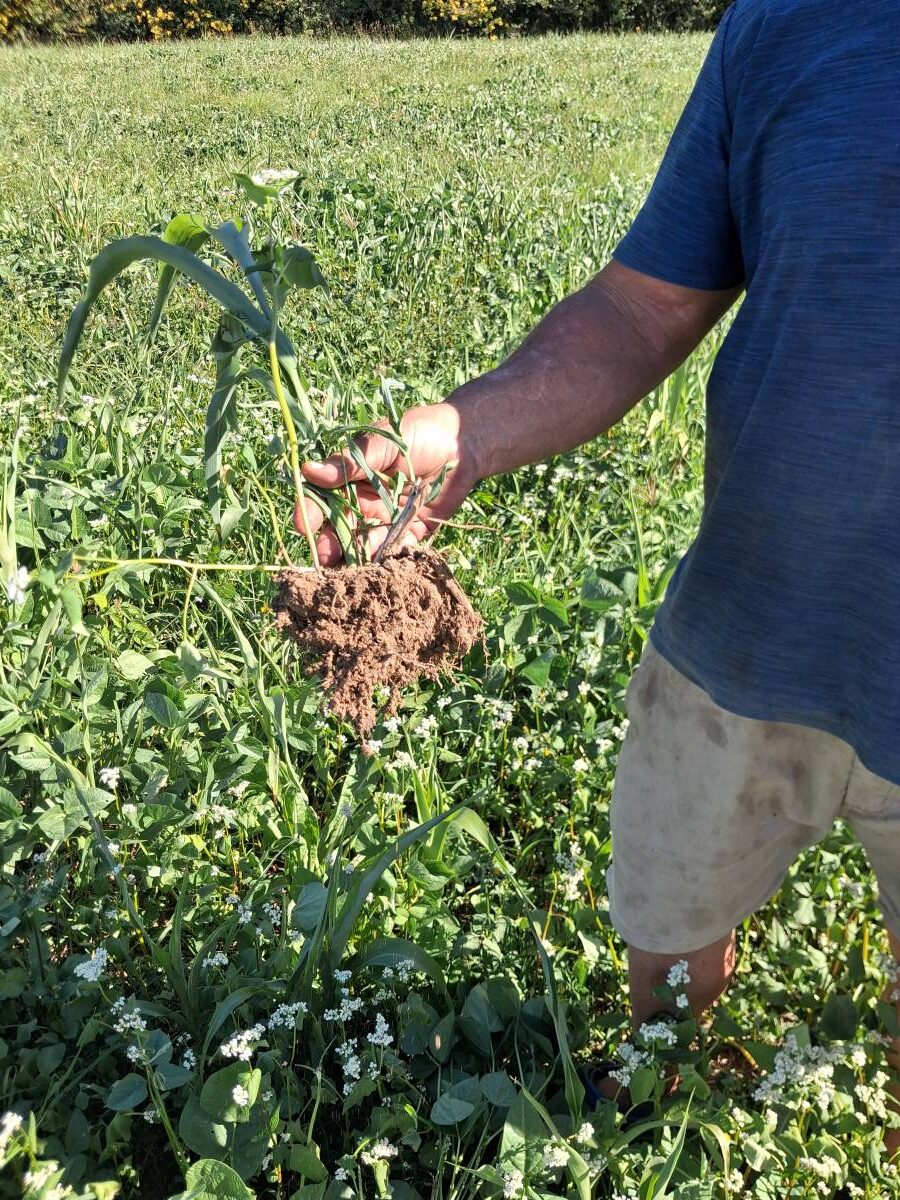
Each plant type has its own ‘timbre’ that adds value to the whole – interacting with sunlight, water, minerals and microbes in different ways that build the song of your land. Diverse leaf shapes and heights capture the morning dew. They provide shade, and maximise photosynthesis and carbon capture, and dry matter per unit area. Diverse root morphologies have different relationships with the soil, some holding it together, some accessing deep nutrition and water and sharing it with neighbours.
Different plants have different exudate volumes, profiles and timing, as well as different signals that will stimulate different types of microbes. Think for example of legumes that support rhizobia, and others that have stronger relationships with mycorrhizal fungi than others. Forbs typically have more carbohydrate root exudates than grasses. Diverse nutrient profiles in each different type of plant ensure that the ‘audience’ is getting everything it needs. Can you imagine having to listen to that triangle ding all day, every day?
The whole is greater than the sum of its parts
This is just scraping the surface. The ecological functioning of the whole is greater than the sum of all the plant parts in the way that the sound of an orchestra playing together is far more than a bunch of instruments lumped together. And just like the joy and satisfaction a musician feels from belonging to the orchestra, the plant reaps the benefit of a healthy, structured soil and diverse companions in ways that helps them play their full tune, so there’s better performance of the whole. The more they practice together, season after season, the better the results get!
Greater opportunity, greater potential
The greater the variety of instruments in an orchestra, the larger the repertoire can be. Plant variety similarly increases opportunity. As a simple example, let’s say you have pasture in Northern NSW. Your grasses will be vulnerable to pasture dieback, but if you plant other species too then you will have forage regardless.
Going deeper, having greater species diversity correlates to greater microbial diversity. So often when it comes to pest and disease outbreaks, it isn’t so much about the pathogenic organism being present, but about the presence or absence of other species that keep it in check. Kind of like having a robust strings section that could drown out the sound of a rogue recorder before the rest of the recorders catch on and go rogue too. At the microbial level this is ‘quorum sensing’ and ‘quorum quenching’, but it operates at the macro too; for example, by creating habitat for predatory insects and birds.
Still we go deeper, the sound gets richer. More plants per land area (utilising vertical space in ‘niche complementarity’) means more photosynthesis. More photosynthesis by diverse plants means more root exudates, and we’re getting more soil functionality. Plants are able to support the ‘fungal highway’ which is an enormous root upgrade in both sheer size, and functionality. This highway transfers bacteria, nutrients and water between plants. The wonderful soil caron sponge is building; nutrient availability, retention and cycling is improving. A more stable, fertile environment is being created where plants can meet their own needs and thrive.
And then we enter the almost mystical qualities of the full professional orchestra playing somewhere with excellent acoustics. Having diverse plant species means plants can share beneficial microbes with their neighbours (‘microbial induction’), creating what Dr Christine Jones calls a ‘social microbiome’ or ‘sociobiome’ that increases the resilience of the entire plant community. In a practical sense this can switch on and off plant genes, confer disease immunity, and lend tolerance to a wide range of conditions, including drought and unseasonal weather. They also help the plants to produce secondary metabolites that have all sorts of functions from immunity to flavour.
And that triangle? The well-timed ding that accentuates a moment in the song adds value. If there were no triangle, the potential of that moment would be lost. All the different plants offer new potential.
Your role
As a farmer you are the conductor. The plants know how to play their part, but don’t expect to walk in off the street and get an amazing symphony straight off the bat, especially if your land is starting from a degraded base (we’re pretty confident in saying that if you’re starting from a monoculture you’re also starting from a degraded base). Your first season will not (should not!) be your best season. There is a learning curve. Taking the first step and putting bioprimed seed out in a small area is fairly easy, but to become a master you will learn things like how to tailor your seed mix, how to maintain energy in the system, how to manage for grazing, harvest, fire and so on. We highly recommend connecting with others in your area having a crack at multis to share notes, commiserations and inspiration. This is the art of farming, and this is where agriculture needs to head.
Biocast as a diversity tool
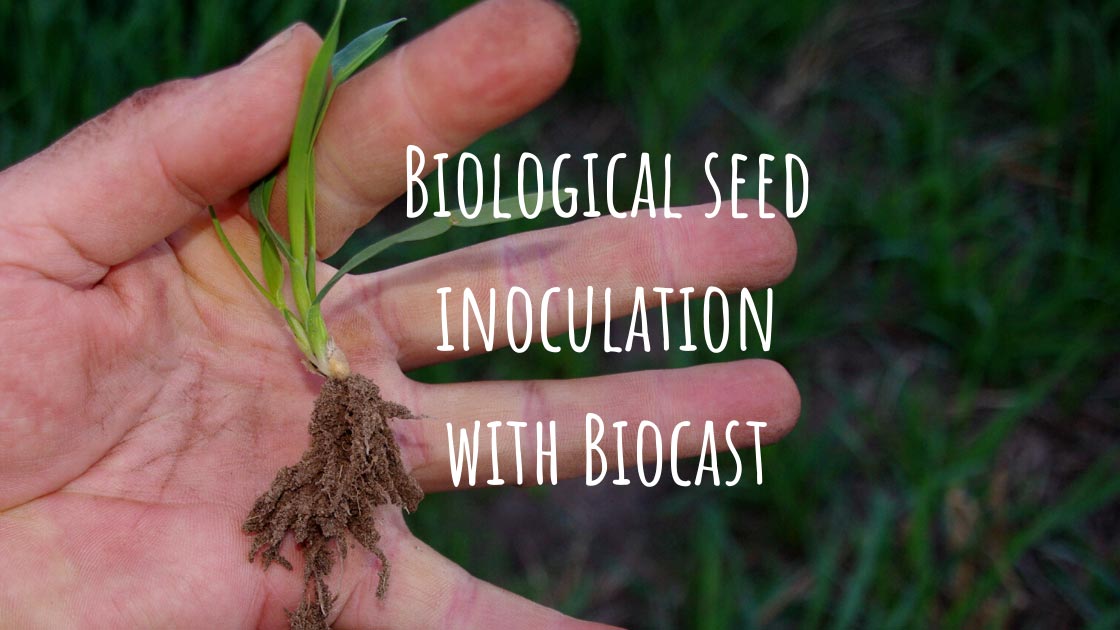
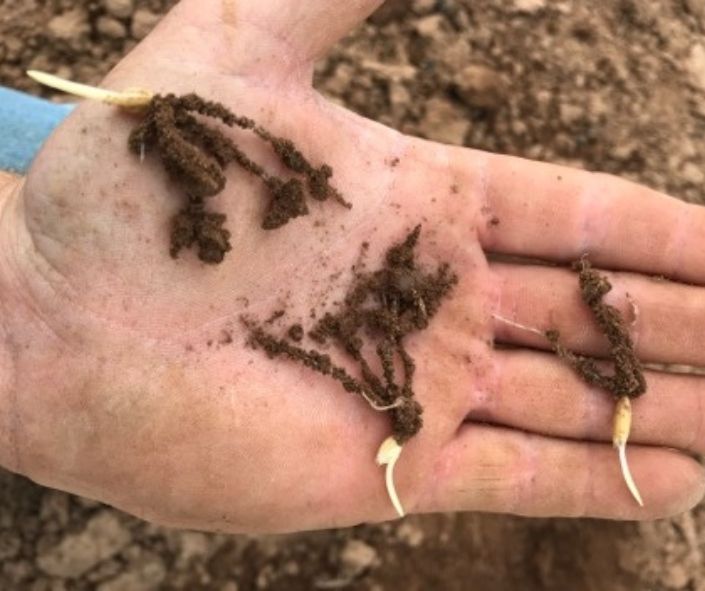
Don’t forget to tune your instruments by priming seed with Biocast and/ or giving a foliar! Biocast naturally contains highly diverse microbes, signals and other organic compounds that help your plants and soils to thrive – kind of like a hack to give you the benefits of biodiversity while you’re building it. Using Biocast as a bioprimer on seed gives seeds microbial inoculation and signals (in the form of signalling molecules, such as phytohormones) to establish strongly and connect them with the sociobiome instantly. Using Biocast as a foliar similarly helps plants to boost that sociobiome connection, as well as conferring the benefits of biodiversity via the leaf.

References and further reading
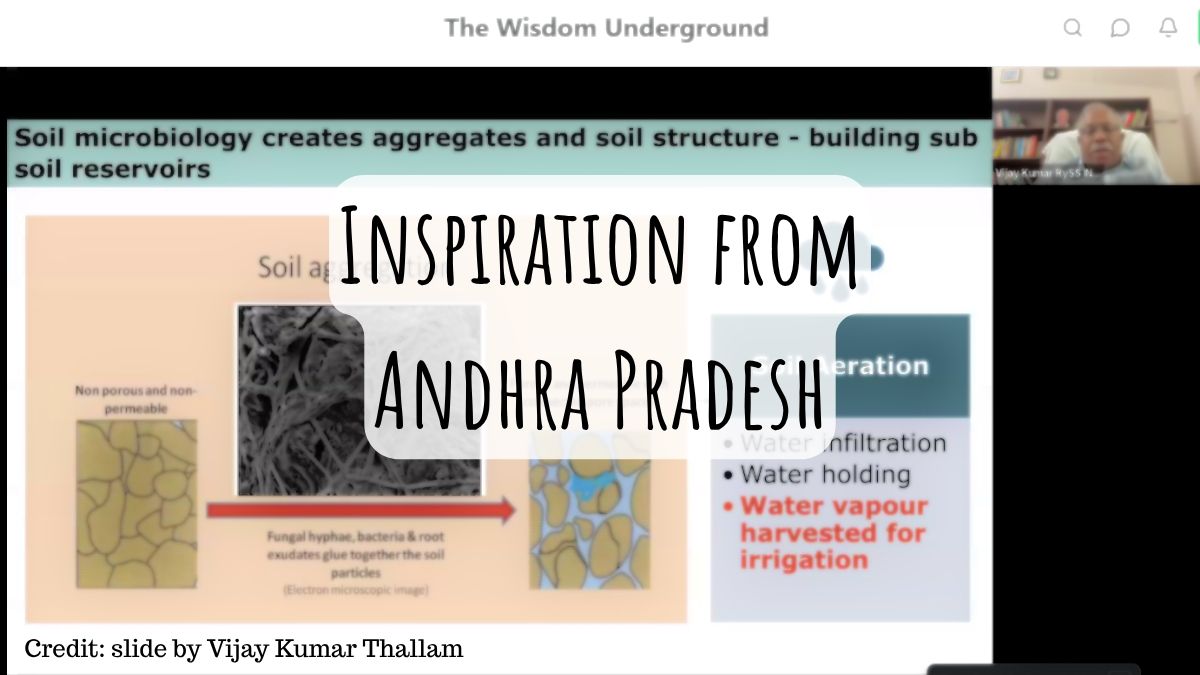
Andhra Pradesh Community Managed Natural Farming, https://apcnf.in/
Christine Jones for Green Cover Seed, ‘Secrets of the Soil Sociobiome’ video on YouTube at https://www.youtube.com/watch?v=Xtd2vrXadJ4 (shared below because it’s a good one!)
Charpe AM, Aglave B and Ghosh DK, 2025. Microbial-mediated induced resistance: interactive effects for improving crop health. Front. Microbiol. 16:1660944. doi: 10.3389/fmicb.2025.1660944 https://www.frontiersin.org/journals/microbiology/articles/10.3389/fmicb.2025.1660944/full#cite
Jena Experiment https://the-jena-experiment.de/
Kempf, John, 2025. ‘The Take-Half, Leave-Half Fallacy, Acres USA https://members.acresusa.com/the-take-half-leave-half-fallacy/
Wogene Solomon, W., T. Janda, Z. Molnár, 2024. Unveiling the significance of rhizosphere: Implications for plant growth, stress response, and sustainable agriculture. Plant Physiology and Biochemistry, 206: 108290. https://doi.org/10.1016/j.plaphy.2023.108290.
Willams, A. and F. T. de Vries, 2020. Plant root exudation under drought: implications for ecosystem functioning. New Phytologist 255(5): 1899-1905. https://doi.org/10.1111/nph.16223Digital Object Identifier (DOI)
Yang, Qi; Gomez Exposito, Ruth; Bell, Lindsay; Vadakattu, Gupta, 2026. Crop intensity and diversity shape soil microbial functions in agroecosystems: Insights from long-term studies. Soil Biology and Biochemistry. 2026; 219(110181):1-14. https://doi.org/10.1016/j.soilbio.2026.110181.
Zhou T, et al., 2024. Promoting effect of plant diversity on soil microbial functionality is amplified over time. One Earth; 7, 2139-2148 https://doi.org/10.1016/j.oneear.2024.10.004
Related posts: